Most wet shavers ask the same question after a few months of using a safety razor: how many good shaves can I squeeze from a double edge razor blade before performance falls off? The quick answer is three to seven for most people, but the real story is messier and more useful. Blade lifespan depends on steel, coating, beard density, technique, prep, and even the particular razor head you use. I track shaves the way some folks track cigar accessories, with a little notebook next to the mirror. Over the last decade, rotating through a Merkur 34C, an older Gillette Tech, a Henson razor in medium aggression, and a Shavette for travel, I’ve logged more than 2,000 shaves across 60 brands of double edge razor blades. Patterns emerge.
This is not a lab test. It’s what happens on actual faces, with hard water, 5 a.m. meetings, and the occasional rushed pass when the coffee machine stalls. If you want a benchmark and a bit of judgment you can apply tomorrow morning, read on.
What “one shave” really means
When shavers compare numbers, definitions get slippery. Some count a full three-pass shave as one, others count a quick with-the-grain pass as one. I standardize on a three-pass routine for testing: with the grain, across, then against, including the neck and under the jawline. Touch-ups are allowed if needed around the Adam’s apple and under the lip. This matters, because a blade that feels fine for one quick pass may nick and tug when pushed to a full three-pass, baby-smooth result.
If you shave two or three times a week, your beard growth between sessions is heavier and harder on edges than daily maintenance. That alone can knock a blade down from six shaves to three. Water chemistry, beard coarseness, and skin sensitivity are the other big variables. Coarser beards create microscopic chips faster, sensitive skin exposes the drop-off sooner, and hard water reduces slickness in shaving soap and creams.
The averages that actually hold up
With daily or every-other-day shaving and a three-pass standard:
- Many modern stainless double edge razor blades deliver three to five excellent shaves, then one or two “serviceable but not pleasant” shaves. Coated blades with PTFE or platinum often add an extra shave at the front end by feeling smoother out of the wrapper, not always at the tail end. Carbon steel blades can feel keen on shave one and then fall off fairly quickly unless you dry them carefully.
That range compresses when conditions are tougher. On a wiry beard with a mild razor like the Merkur 34C, three shaves is the consistent sweet spot. In a more efficient head such as a Henson shaving medium or an open-comb design, you can sometimes stretch a blade because the geometry keeps the edge working at a lower angle with less chattering.
What wears a blade out
At the microscopic level, blades don’t get “dull” in a single way. The apex bends slightly, coatings abrade, and the edge picks up microscopic chips from cutting hard keratin. Once the edge deforms, you get tugging and you need more pressure to achieve the same closeness, which increases irritation risk. Two habits accelerate the decline: rushing through the first pass with dry stubble, and shaving without a slick, hydrated lather. A good shaving brush, whether badger, boar, or synthetic, lifts hair and loads water into the lather so the blade glides instead of plows. A quality shaving soap or cream with proper slickness and cushion adds more shaves than any marketing claim on the blade box.
Storage matters, too. If you put a wet razor down and let it air dry in a steamy bathroom, you’re inviting corrosion at the edge, even on stainless. Carbon blades pay the price faster. A quick rinse in hot water, a shake, then a few gentle strokes across a dry towel on the blade’s spine to wick moisture off the edge buys you another day or two of peak sharpness. I do not strop DE blades on leather, and I avoid palm stropping for safety.
Real-world results across common blades
Brand-to-brand variation is real, though the spectrum is narrower than internet debates suggest. On my face, with medium-coarse growth and slightly sensitive skin, here’s the pattern I see across hundreds of shaves:
- Feather Hi-Stainless: scary sharp on the first two shaves, then a quick taper. I rarely go past four in a Merkur 34C. In a milder Henson razor, I sometimes get five excellent shaves because the head stabilizes the edge and limits blade exposure. Astra Superior Platinum: steady performer, three to five good shaves, rarely a dramatic drop-off. Good beginner blade for a safety razor because it balances smoothness and sharpness. Gillette Silver Blue and 7 O’Clock varieties: three to six depending on the head. Smooth coatings give forgiving early shaves, with a gentle decline rather than a cliff. Personna Lab Blue / Med Prep: similar to Astra in longevity with a slightly different face feel, often four to six in my Henson shaving setup. Derby Extra and similar mild blades: comfortable on shave one and two, but they struggle against heavy growth. Perfectly good if you shave daily and chase comfort, not ultimate closeness.
Switching razors shifts these counts. The Merkur 34C is mild but allows more blade feel than a Henson, so blades seem to “age” faster because the angle is less locked in. In contrast, the Henson’s engineering clamps the blade and fixes the angle so the edge doesn’t chatter. That smoothness lets me use sharper blades longer, especially on my neck, which hates pressure. A vintage Tech or Super Speed sits somewhere in between for me.
Daily shaver versus every-third-day shaver
Frequency is the secret lever. When I shave daily, many blades feel great for five or six sessions because each outing deals with softer, shorter stubble. When I space shaves 48 to 72 hours, the same blade that gave me six daily shaves only gives me three or four. Fatigue shows up as slight tugging on the first pass, particularly around the chin where hair is thick. Pushing through with extra pressure leads to redness under the jawline. That is the signal to bin the blade, not soldier on for the sake of thrift.
If you are a weekend straight razor user and switch to a double edge razor during the week, you may notice the edge feels harsh after the straight, then normalizes by shave two. That is your skin, not just the blade. Straight razor work scrubs the top layer of dead skin a bit more, so the next day’s safety razor can feel sharper than usual. I give myself a lighter touch on those transitions.
Aggression, efficiency, and why your razor matters
Not all safety razors are created equal. Blade clamping, exposure, and gap change how a blade ages. The Merkur 34C, a popular baseline, is forgiving but allows the edge to flex slightly on tougher whiskers. An efficient razor with tight clamping reduces vibration, which protects the apex. The Henson shaving design, with its precise angle and full-length clamp, is an example. In my notes, the same batch of Gillette Silver Blues gave me four shaves in the 34C and six in the Henson medium, with less alum sting.
Open-comb razors can feel more efficient and keep the edge working cleanly by channeling lather and cut hair away from the blade. That cleanliness helps on longer growth. Slant razors, by shearing hair at a diagonal, can also extend a blade’s effective life by reducing the force at the edge. If you like the ritual of a straight razor or a Shavette, you already understand how edge stability changes everything. Steel exposed without clamp support requires perfect angle control. A DE setup with strong clamping gives you a buffer.
Coatings and steel, without the marketing hype
Platinum, PTFE, chromium, and other coatings appear everywhere on packaging. In practice, coatings influence the first two to three shaves more than the last ones. Coatings reduce initial friction and mask micro-burrs from factory sharpening, so shave one feels less bitey. After a few uses, lather chemistry and whisker contact abrade those coatings, leaving the underlying steel to decide longevity. That is why you see some uncoated carbon blades give spectacular first passes then fall off faster.

Stainless resists corrosion in humid bathrooms, but stainless is not invincible at the apex where metal is atom-thin. Carbon steel can be fabulous if you are disciplined about drying. I keep a small microfiber cloth near the sink and always crack the razor open for a few seconds after rinsing so trapped water does not sit on the edge.
Pre-shave prep that adds shaves without effort
The easiest way to buy another two shaves from a pack of double edge razor blades is to fix your prep. I time the shave after a shower or hold a warm wet towel to my face for a minute. I build lather until it looks glossy, not bubbly. Hydration helps more than cushion. A dense lather from quality shaving soap or cream keeps the blade from skating and reduces micro-chipping. If your water is hard, consider a small distilled water spray to hydrate the brush as you face lather. It sounds fussy, but the change in slickness is obvious.
Angle discipline matters. Ride the cap, let the razor head guide the blade, and keep pressure minimal. The edge lasts longer when it slices rather than scrapes. A safety razor thrives on patience. Two seconds saved on the first pass costs you two shaves at the end of the blade’s life.
When to bin a blade
I follow a simple rule: when I feel tugging on the first pass of hydrated stubble, or I see post-shave redness where I normally do not, the blade is done. I do not wait for weepers. Alum feedback is another check. If the same technique suddenly stings more than usual on the cheeks, it is rarely my lather. It is the edge.
Some shavers flip the blade between uses, hoping to even wear. Flipping changes the alignment slightly and can eke out one more mediocre shave, but it does not heal micro-chips. If you enjoy the ritual, fine. It will not turn a three-shave blade into an eight-shave blade.
Cost, convenience, and the sanity factor
Double edge razor blades are inexpensive compared to cartridge systems. If a 100-pack costs twenty dollars and you average four shaves per blade, each shave costs five cents. Stretching to six shaves saves about 1.5 cents per session. That math only makes sense if you are not paying with razor burn. I change blades more often than the maximum to keep mornings predictable. Consistency beats pushing an edge to day eight, then dealing with an inflamed neck through Friday’s meetings.
The same logic applies if you travel with a Shavette or use a single blade razor that takes half blades. Those half blades are the same steel, just snapped, so lifespan follows the same curve. I am more aggressive about changing on the road because hotel water and rushed prep shorten the window of good performance.
Notes on specific razors and how they treat blades
The Merkur 34C remains a superb starter safety razor. Its mild character helps you learn angle, and it pairs well with mid-sharp blades like Astra, Personna, or Gillette 7 O’Clock. Expect three to five shaves from most stainless blades and plan on three if you shave every third day.
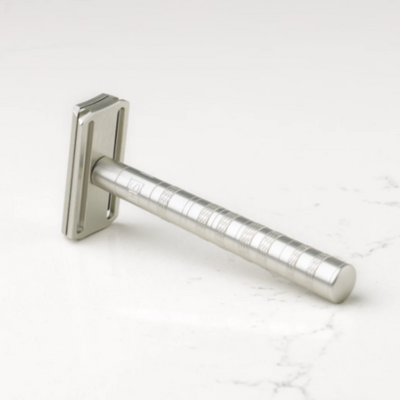
The Henson razor, whether from Henson shaving Canada or their other distributors, runs a more engineered playbook. With the mild or medium plate, blade flex is minimal. That lets me use sharper blades like Feather or Nacet for five or six shaves without harshness. If you found Feather too aggressive in a traditional head, try it in a Henson. The geometry is different enough to change the story.
Vintage razors vary wildly. A well-aligned Tech or Super Speed treats blades kindly. A worn head with uneven alignment will chew through edges faster and irritate your skin. If you like rescuing old gear, inspect the cap and guard for symmetry. Single blade razor designs like GEM or injector types also have their own lifespan curves, usually longer due to thicker blades, but that is another article.
The long-shave outliers
Every community thread includes someone who gets ten or fifteen shaves per blade. It happens, especially with light beards, daily shaves, and a very mild angle. I see it with Gillette Silver Blue in a Henson mild on a friend who barely grows stubble. On the other end, barbers who keep a fresh half-blade in a Shavette for each client are not wasteful, they are safe. At home, if you share a razor or store it in a damp drawer, err on the side of changing often.
Do not ignore seasonality. Winter dries skin and reduces glide. Summer sweat softens hair but can also break lather faster. I get an extra shave per blade in humid months and one fewer during dry spells unless I adjust my lather hydration.
Tracking without obsession
I keep a tiny pencil mark on the blade wrapper and slide the blade back into it after drying. One dot per shave. You can also set a reminder on the phone, but the wrapper trick never fails. Marking the top cap with a discreet, removable paint dot for each https://jaideneesz255.fotosdefrases.com/double-edge-razor-blades-on-a-budget-value-without-compromise quadrant pass helps some folks rotate wear, though I have not seen a lifespan change from that level of precision.
If you enjoy data, run a four-week test. Pick one razor, one soap, and three blade brands. Shave on your normal schedule, note comfort, closeness, and alum feedback each day on a 1 to 5 scale. At the end, the “how many shaves” answer will be yours, not the internet’s.
A practical baseline you can rely on
Here is the policy I recommend to clients and friends who switch to double edge razor shaving and want predictability.
- Start by changing blades every three full shaves. Daily shavers can stretch to four after a month of consistent technique. If you feel tugging at the start of the first pass or see unusual redness, change the blade immediately, regardless of the count. In a tightly clamped, efficient head such as a Henson medium, try sharper blades and expect one or two more good shaves than in a traditional head like the Merkur 34C.
That guideline covers most faces. Once you settle on your favorite safety razor blades and soap, tweak the count. If you move between razors, remember that geometry, not brand loyalty, often decides lifespan.
Edge cases and special situations
If you wear a beard and only shave cheeks and neck, blades last longer. Less surface area, less coarse hair. Expect five to seven easy shaves on most stainless offerings. If you maintain a head shave in the same session, count that as another face in terms of wear. Dome stubble is dense and punishes lazy lather.
Sensitive skin changes the equation. The moment a blade loses its initial smoothness, irritation compounds. In this case, buy blades by the hundred, treat them as semi-disposable, and enjoy the comfort of frequent changes. The added cost is trivial compared to the benefit.
If you alternate between a straight razor on weekends and a double edge razor during workdays, strop discipline on the straight teaches lessons that transfer. Keep the edge clean, the angle light, and the lather hydrated. The double edge blade will repay you with two extra days of performance.
What about disposable razors and cartridges for comparison
A disposable razor with a single edge can feel fine for two or three quick shaves, then tear up your neck on day four, because there is no head geometry to stabilize the blade and the plastic flexes. Multi-blade cartridges hide decline by stacking edges, but they also clog and drag. The appeal of double edge razor blades is consistency and control. You pick the steel, the geometry, and the schedule. You also keep a drawer stocked for pennies per shave, rather than hunting proprietary heads.
Final yardsticks you can trust
Most shavers can rely on this simple range. Three to five shaves per blade in a Merkur 34C. Four to six in a Henson razor. Adjust downward if you shave less frequently or have very coarse growth. Adjust upward if you shave daily with excellent prep. Use your skin as the sensor, not the calendar. A safety razor is a precision tool, but the face decides.
When the edge fades, do not wring the last drop from it. Load a fresh blade, let the lather work for you, and keep the pressure low. The quiet pleasure of a smooth, irritation-free shave is worth far more than the last nickel squeezed from a tired sliver of steel.