Shaving with a safety razor looks simple from the outside. Load a blade, lather up, take measured strokes. Anyone who has stuck with it knows the craft runs deeper. The double edge razor blade is a tiny, inexpensive piece of steel, yet it determines almost everything about your shave: comfort, closeness, speed, even whether you reach for alum or styptic afterward. Choosing the right blade, pairing it with the right razor, using the right technique, and keeping it clean all add up to a consistent, irritation‑free result.
I have drawers full of razors, from a humble Merkur 34C that has taught thousands to wet shave, to a precise aerospace‑milled Henson razor that forgives bad mornings. I learned the hard way that there is no universal best blade. There are only blades that work in your hand, on your skin, inside your razor. This guide is meant to shorten the learning curve and help you build a steady, repeatable routine with double edge razor blades.
How a double edge blade actually works
A double edge razor blade is a wafer of stainless or carbon steel, honed to a keen edge, then coated to control friction and corrosion. Both long edges are sharpened, which means you can flip the blade in the razor and use either side. The thickness is typically around a tenth of a millimeter. That thin geometry is part of the magic. The blade flexes microscopically against the razor’s clamp and cap, which affects smoothness and how the edge rides over your skin.
Sharpness sounds like a single dimension, but in practice you feel three attributes. Initial keenness determines how easily the blade severs hair at skin level. Coatings such as PTFE or platinum change glide and reduce the grabby feel on the first shave. Edge stability defines how that shave changes over a few uses, whether the blade mellows or goes harsh. You might find a blade that sings in its first two shaves then turns sandpapery, or a blade that starts slightly tuggy and settles into a sweet spot after a pass or two.
Razor design magnifies these attributes. A mild safety razor with low blade exposure and tight clamping, like many Henson shaving models or a Merkur 34C, tends to tame very sharp blades and reward a shallow angle. A more efficient razor with more exposure or gap, whether a modern open comb or a vintage adjustable, can make a medium‑sharp blade feel plenty assertive. The same blade can be buttery in one setup and unruly in another.
Understanding coatings, steels, and edge feel
Most double edge blades use stainless steel because it resists rust and holds an edge well. Carbon steel blades still exist and have a distinct feel that some barbers prefer for straight razor or Shavette work, but in daily safety razor use they need more care to avoid oxidation.
Coatings matter more than the marketing makes clear. PTFE and platinum are common. PTFE, often labeled as Teflon, lends glide and reduces initial bite. Platinum or chromium coatings tune friction and may make the first shave feel smoother. Some blades stack coatings, for example platinum over chromium, which can broaden the blade’s comfortable range across different razors. Uncoated stainless can feel aggressively direct, which certain coarse‑bearded shavers appreciate, though it often punishes rushed technique.
If your whiskers are thick and wiry, a very sharp coated blade will slice more than pluck, especially in a mild razor. If your skin is sensitive, a blade with a smoother coating can reduce post‑shave sting, even if it isn’t the sharpest on paper. You learn to read feedback quickly: a sharp but harsh blade leaves an invisible film of irritation that you feel when applying aftershave; a blade that is too dull will leave patches of missed stubble or require extra buffing, which in turn causes irritation.
Matching blade to razor, beard, and skin
Think of your setup as a system. The razor controls angle, rigidity, and exposure. The blade supplies the cut. Your lather, prep, and pressure integrate everything. People often start with a beloved safety razor, often a Merkur 34C, and then chase blades to fit it. That is a smart approach. The 34C lands squarely in the middle: modest blade feel, forgiving clamp, and good balance. In it, medium‑sharp blades with smooth coatings rarely disappoint. If you switch to a very rigid head like a Henson razor, which aligns the blade tightly and encourages a shallow angle, you can comfortably use a sharper blade because the geometry limits chatter.
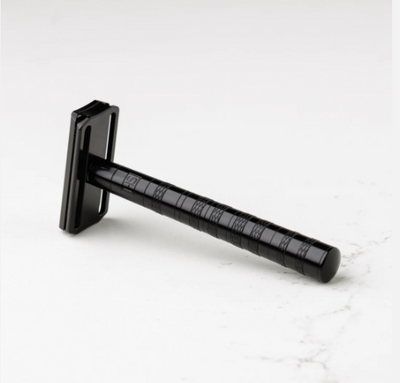
A few practical examples help. On my face, a platinum‑coated blade in the Henson shaving platform gives glassy passes on the cheeks and cleans up the chin without drama. That same blade in a highly efficient open comb can feel hot on the neck unless the lather is perfect. On the flip side, a middle‑of‑the‑road blade that feels slightly dull in a milder head may come alive in a razor with more exposure. There are exceptions, but the pattern holds: aggressive razor, dial down blade sharpness and favor coatings; mild razor, consider crisper edges.
People often ask about single blade razor options beyond double edge. A Shavette, which takes half a DE blade, exposes more of the edge and demands precise angle control, closer to a straight razor experience but without honing and stropping. A traditional straight razor offers ultimate control and can be incredibly gentle, but only if you keep the edge keen, align your strokes, and invest time in maintenance. For most daily shavers, a safety razor paired with the right double edge razor blades strikes the balance between convenience and results.
How to actually choose a blade without guesswork
Start by narrowing by skin and hair. Coarse, dense whiskers typically benefit from sharper blades, but not all sharp blades feel the same. If you have easily irritated skin, lean toward coated blades with reputations for smoothness. If you shave every day and want speed without drama, medium‑sharp, well‑coated blades are your friends. If you only shave twice a week and like a near‑BBS result, a sharper blade in a mild razor can reduce passes.
There is a common trap: assuming the most expensive or most hyped blade is automatically best. Price differences often reflect distribution and packaging rather than huge performance gaps. The sensible path is to buy a mixed sampler of 6 to 10 reputable brands and keep simple notes for two weeks. Pay attention to first pass feel, neck irritation, and how many comfortable shaves you get before the blade fades. Shavers who log their results, even casually, dial in a fit more quickly.
I also watch for how a blade loads and aligns. Some blades have wax dots near the edges; some have none. A few have slightly different hole shapes that change how easily they center in certain razor heads. If you use a precise head, such as those from Henson shaving Canada, alignment is largely worry‑free. In vintage razors, or in a looser three‑piece head, take an extra second to check symmetry before tightening.
Prep and lather: the quiet half of blade comfort
Poor prep sends any blade to die. Hydrate whiskers thoroughly. Warm water and a minute of soaking softens keratin, which takes some cutting force out of the equation. Face wash or a simple glycerin‑based cleanser lifts oils that repel water. A pre‑shave oil can help on dry skin, though it is not mandatory and can gunk a razor if overdone.
The tool you use to build lather matters. A good shaving brush, synthetic or badger, creates a creamy, hydrated lather that carries slickness through multiple passes. Shaving soap or cream quality varies more than marketing suggests. I test slickness by pinching lather between fingers and rubbing until it thins. If it keeps glide without turning airy, it will support your blade. Lean slightly wetter than you think. Thin lather with stable slickness is better than foamy peaks that dry on your face.
Angle, pressure, and passes with a double edge razor
Two changes turn most shaves around: ride the cap and lighten your hand. Riding the cap means keeping more of the razor cap in contact with the skin and less of the guard. You will feel the blade engage as you adjust angle in small increments. Henson razors almost force this with their geometry, which is why they feel intuitive. With other safety razors, mark your muscle memory by starting cap‑flat at the top of the cheek and rotating downward until you hear and feel hair cutting.
Pressure should be almost none. Let the razor’s weight and gravity pull the edge through the lather. White‑knuckle grips and downward force bend the blade into your skin, which increases scrape and nicks. Short, overlapping strokes are better than long swoops, especially around the jaw, chin, and upper lip. Stretch skin lightly where it helps, such as along the jawline or under the chin.
Most shaves improve with a simple pattern: with the grain first, across the grain second, optional against the grain last. Not everyone can go against the grain, especially on the neck. If your neck grows in swirls, take two across‑the‑grain passes at different directions rather than a direct against‑the‑grain pass. A sharper blade in a mild razor often makes the third pass unnecessary.
How long a blade lasts, and when to bin it
Blade longevity is personal. Some get one perfect shave and toss the blade. Others milk a week. The safe range for most stainless double edge blades runs 3 to 6 comfortable shaves. Carbon steel, when used in a humid environment and not dried, can fall off faster. The business rule is simple: if you need more pressure to cut or feel tugging on the first pass, change the blade. If your post‑shave burn increases despite consistent prep, change the blade. Saving a few cents is not worth irritation.
If you like math, calculate cost per shave. Blades range roughly from 9 to 40 cents each when bought in bulk sleeves of 50 or 100. If you get four good shaves from a 15‑cent blade, that is under 4 cents per shave. Even if you toss after two shaves, you are still well below the cost of a disposable razor cartridge. It is one of the quiet benefits of safety razors: precision results at a very low ongoing cost.
Storage that keeps edges fresh
Moisture dulls edges through corrosion and micro‑pitting. It does not take orange rust to degrade a blade. Invisible oxidation on the bevel is enough to increase friction. After shaving, loosen the razor handle a quarter turn, rinse the head under warm running water, then flick or blow water out. Tighten and set the razor upright to dry. If you shave in a steamy bathroom and notice blades fading early, store the razor in a cabinet outside the shower area, or at least wipe the head with a dry towel. Some shavers dip the blade in isopropyl alcohol to displace water, which is a low‑effort trick that helps in humid climates.
Unused blades are easiest to store in their original cardboard tuck inside a drawer or a small sealed box. If you stock a lot, keep them in a dry, temperate place. Avoid leaving tucks unwrapped in a medicine cabinet that sees daily steam. The coatings can last years, but paper wraps can absorb moisture, and that moisture finds the edges. Carbon steel blades need extra care: keep them pristine and bone‑dry, or skip them if you do not want the fuss.
Disposal matters. Most blade tucks include a slot on the back to accept used blades. You can also use a blade bank, anything from a purpose‑built tin to an empty mint tin with a tape‑reinforced slit. When full, recycle as scrap metal if your local program allows it, or seal and dispose according to local guidance. Never toss loose blades in the trash.
Pairing examples: popular razors and blade tendencies
Shavers often anchor on a specific tool. The Merkur 34C, a classic two‑piece razor, favors blades with medium to high sharpness and smooth coatings. In it, a platinum‑coated blade feels balanced for daily use, and a very sharp uncoated edge can feel harsh unless your prep is on point. The head clamps adequately but allows a hint of flex, which gives pleasant feedback.
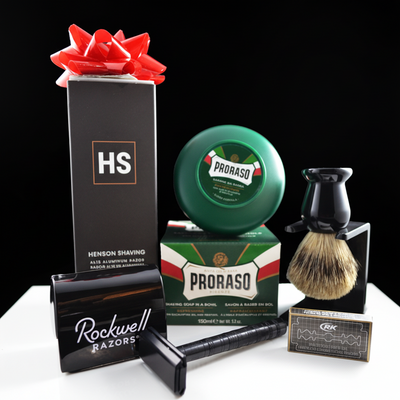
Henson shaving razors, especially the mild and medium plates, reward shallow angles and minimal pressure. Their engineering locks the blade tightly, limiting chatter. In that platform, sharper blades feel smooth and controlled, and even budget blades can punch above their class. Henson shaving Canada customers often report that blades they disliked elsewhere become favorites in the Henson, precisely because of the rigid clamp and guiding geometry.
Open comb and adjustable razors change the conversation. Open combs tend to present more blade and suit shavers who prefer fewer passes. Pair them with a smoother blade if your skin is sensitive. Adjustable razors let you choose the day’s aggression. On lower settings, try a sharper blade and fewer passes. On higher settings, pick a blade with a friendlier face feel. You can make the same blade behave differently by changing settings, which is useful if you shave after skipping a day or two.
For those who dabble in Shavette work, remember you are effectively using a half double edge blade with far more exposure. Split a fresh blade carefully in the wrapper. Choose smooth, mid‑sharp brands while learning. In straight razor shaving, blade choice is replaced by honing and stropping skill, plus steel type. A well‑stroped straight razor glides like nothing else, but you need time, leather, and patience. For most, the safety razor and DE blade remain the practical daily tool.
When a blade feels off: troubleshooting by symptom
If your first pass tugs, either the blade is dull for your beard, your angle is too steep, or the lather lacks hydration. Start by adding a splash of water to the lather and riding the cap more. If tugging persists after a few strokes, swap to a different blade brand. Some blades with thick coatings have a break‑in feel that disappears after a pass, but persistent tugging is not worth fighting.
If you see more nicks than usual, check pressure and prep. Invisible dryness in the lather, especially with hard water, can cause micro‑skips. A pre‑shave splash and wetter lather often reduce this. Another culprit is a blade on its last legs. Microchips in the edge translate to unexpected bites, particularly on the upper lip and jawline.
If your neck lights up post‑shave, map growth again. Many necks have swirls that make a straight against‑the‑grain pass risky. Two across‑the‑grain passes at different angles can solve it. Also consider adjusting your blade choice down one notch in sharpness or up one notch in coating smoothness. I keep a smoother blade on hand for neck‑focused days and a crisper blade for days when I want a fast two‑pass finish on the cheeks and chin.
If stubble remains after three passes, do not chase it with pressure. Re‑lather and use gentle buffing or a J‑hook motion only where the skin is flat and resilient. Often, simply switching to a sharper blade in a mild razor removes the need for that fourth pass entirely.
A compact buyer’s and user’s checklist
- Start with a sampler of several reputable double edge razor blades and keep brief notes for two weeks. Pair sharper blades with milder, rigid razors, and smoother blades with more aggressive razors. Build a slightly wetter lather with a good shaving brush and quality shaving soap or cream. Ride the cap, use short strokes, and apply only the razor’s own weight. Replace the blade at the first sign of tugging or increased irritation, then dry and store it in a low‑humidity spot.
Care, cleaning, and safety around the sink
Between shaves, a quick rinse usually suffices. Every week or two, especially if your water is hard, disassemble the razor and soak the head in warm water with a drop of dish soap. A soft toothbrush removes soap scum that can trap moisture against the blade edge. Resist the urge to wipe the blade edge with a towel. Touching or scraping the edge degrades it. If you like an extra margin of dryness, dip the head in alcohol and let it air dry.
Keep fingers safe. When loading a blade, pinch the short ends of the blade where there is no cutting edge. On a three‑piece razor, set the blade gently onto the cap posts, then place the baseplate and tighten the handle while checking alignment. On a two‑piece or butterfly, hold the blade by the tabs and avoid sliding it across the top cap. Never force a stuck blade out of a head with a metal tool. Soak first to dissolve dried soap, then try again.
If children or guests use your bathroom, store used blades in a blade bank well out of reach. A simple metal bank costs little and avoids accidents. Even a small box labeled clearly does the job. Do not wedge blades into cardboard gaps around the sink or mirror. That is how people get cut months later during cleaning.
Where disposables and cartridges still fit, and where they don’t
A disposable razor remains convenient for a gym bag or quick travel, and a modern cartridge can be fast if you are shaving on autopilot. Yet both suffer when used daily on sensitive skin or coarse hair. Multiple blades increase the chance of ingrowns by shaving below skin level, and the cost per shave rises quickly. A single blade razor, especially a well‑set safety razor with the right blade, trims at skin level and reduces ingrowns for many users. If you need a travel option, many compact safety razors break down into a small case, and you can tuck a few razor blades in the same tin as your cigar accessories or grooming odds and ends without worry about bulk.
A few mistakes worth skipping
Do not chase BBS on every square inch of your face when you are learning. Comfortable and socially presentable beats perfect and angry. Do not assume a blade that works for your friend will work for you in the same way. Their hair, skin, and razor geometry might be different. Avoid over‑tightening razors with delicate threads. Tight enough to hold the blade without play is the goal. Avoid storing razors wet in the shower. Steam is the enemy of edge longevity. Do not ignore water quality. If your lather dries quickly or feels thin no matter the soap, a water softener or a tiny pinch of distilled water in your bowl can transform the experience.
Bringing it all together
A predictable, enjoyable shave stands on consistent preparation, good lather, a light touch, and a blade matched to both your razor and your face. The double edge razor blade, cheap and small, dictates a large part of the experience. Treat it with the same care you give your razor. Sample widely at first, then narrow to two or three standbys that cover your needs: perhaps a smooth, medium blade for daily use, a sharp blade for two‑day growth, and a budget workhorse for travel.
Over time, you will sense when a blade is in its sweet spot and when it is past it, when your lather needs another splash of water, and when your neck wants across‑the‑grain rather than against. That is the https://claytonizrp442.trexgame.net/single-blade-razor-care-keep-it-sharp-clean-and-rust-free craft. Whether you shave with a Merkur 34C, a machined Henson razor, an heirloom straight razor, or a no‑nonsense safety razor from a local shop, the process rewards patience. The payoff shows up every morning in the mirror, in the absence of sting, and in the simple pleasure of steel gliding over skin.